
"roast coffee production"
20000 article(s) found

The production of Espresso is a technical task to assemble knowledge.
Production of Espresso: generally speaking, large coffee beans can produce better coffee. In the case that the quality of coffee beans has been fully assured, the first technical problem to be solved is blending. Blending refers to the selection of coffee beans of different origin and quality to achieve the desired results. The matching technocrat believes that 50% of the success factors of a perfect Espresso depend on the composition of the match.

The production of Espresso is the common sense of technical work.
Production of Espresso: generally speaking, large coffee beans can produce better coffee. In the case that the quality of coffee beans has been fully assured, the first technical problem to be solved is blending. Blending refers to the selection of coffee beans of different origin and quality to achieve the desired results. The matching technocrat believes that 50% of the success factors of a perfect Espresso depend on the composition of the match.

Toper Coffee Roaster 360 kg (Gas) TKM-SX 360 Gas Coffee Bean Fresh Roasting
Single production: 360kg Green coffee beans Roasting time: 10 minutes-light roasting, 15 minutes-deep roasting Roasting quantity: 2160kg/h = light roasting, 1440kg/h = deep roasting Roasting method: thermal equipment, semi-hot air (semi-direct fire), hot air burning Single production: 360kg Green coffee beans Roasting time: 10 minutes-light roasting, 15 minutes-deep roasting Roasting

The production of Espresso is a technical task. The importance of Espresso matching.
Production of Espresso: generally speaking, large coffee beans can produce better coffee. In the case that the quality of coffee beans has been fully assured, the first technical problem to be solved is blending. Blending refers to the selection of coffee beans of different origin and quality to achieve the desired results. The matching technocrat believes that 50% of the success factors of a perfect Espresso depend on the composition of the match.

Roasted coffee beans contain carcinogens is a rumor? Is it legal to have acrylamide in roasted coffee?
Professional coffee knowledge exchange More coffee bean information Please pay attention to coffee workshop (Weixin Official Accounts cafe_style) A foreign news report about acrylamide in Starbucks coffee may cause cancer has been raging on the Internet. As early as 2014, the State Food and Drug Administration has issued a risk warning on acrylamide detection in French fries. So food production and operation

Starbucks Coffee Roasting Process Water Production Area Manor Treatment Introduction
Starbucks coffee roasting process in the water production area manor treatment method introduced Tip 1: to achieve the highest caramelization-caramelization is an important factor affecting coffee flavor, because the green beans will absorb a lot of heat when roasting, then the first cracking sound (1st cracking), at this time, sugar begins to convert into carbon dioxide, water continues to evaporate, coffee aroma will gradually emit

Introduction to the production area of grinding scale of Peruvian coffee beans by description of taste and flavor
Peruvian coffee bean characteristics, taste and flavor description method grinding scale production area introduction 1, coffee roasted coffee taste due to the type of coffee beans, grinding methods, roasting degree, quality is good or bad. The type of beans is an essential problem, but the grinding method and the degree of baking are subjective human factors. Basically, coffee is made through harvest selection, roasting and grinding.
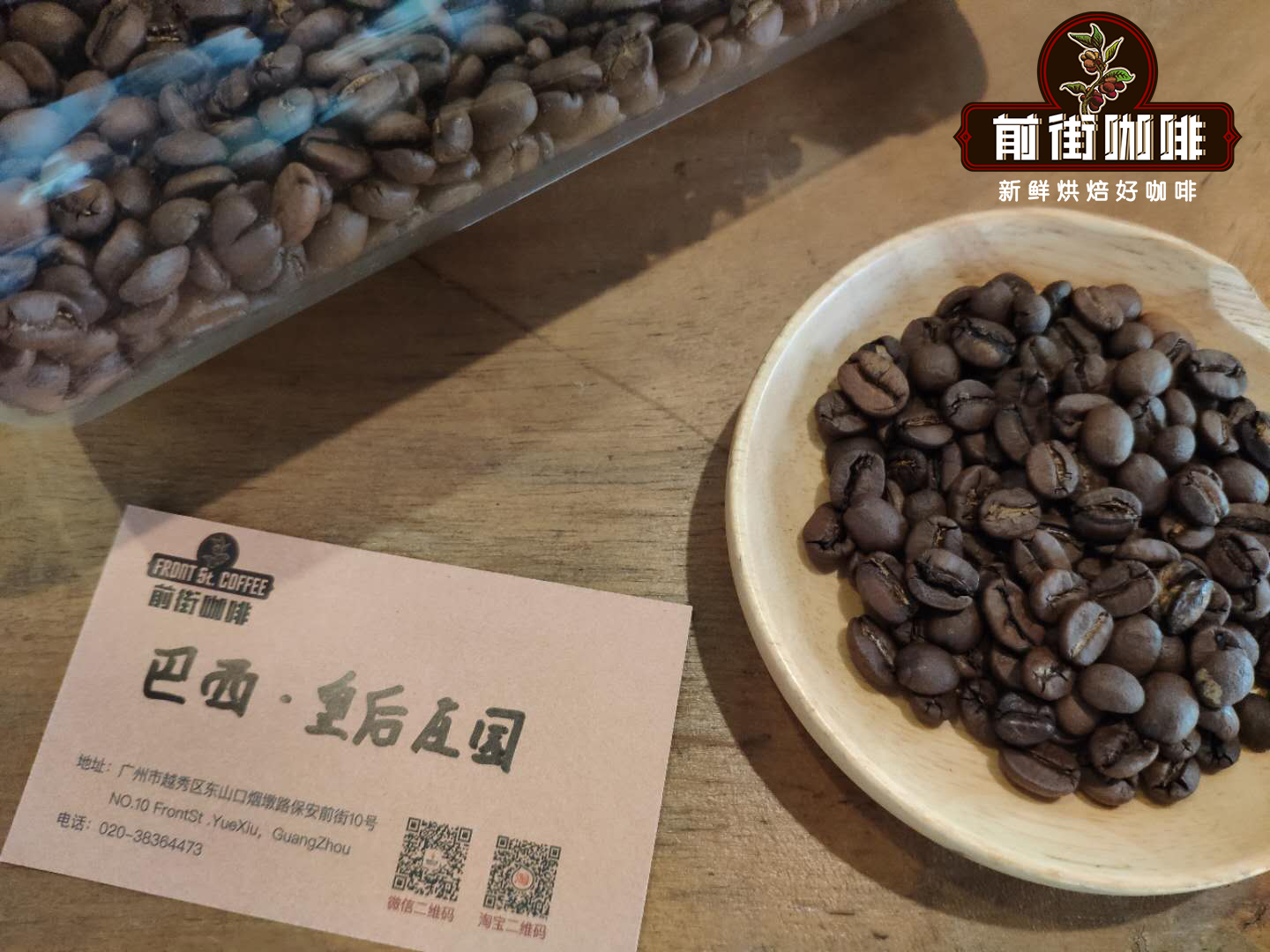
Coffee roasting | the flavor and taste characteristics of deep-roasted coffee beans in freshly ground fine products _ the difference between medium-deep baking and deep-baking.
Zhongshen roasted Taiwanese and Japanese favorite coffee flavor is not bitter, does not count, well-balanced, mellow thickness of coffee beans, and this front street coffee beans in Brazil's Queen's Manor Yellow bourbon coffee beans meet their taste needs. In the process of roasting medium-crimson coffee beans, coffee fiber already has a certain degree of carbon.

Operation Technology of Italian Coffee: detailed introduction of Espresso blending Bean production Technology
Generally speaking, large coffee beans can produce better coffee. In the case that the quality of coffee beans has been fully assured, the first technical problem to be solved is blending. Blending refers to the selection of coffee beans of different origin and quality to achieve the desired results. The matching technology school believes that 50% of the success factors of a perfect Espresso depend on the composition and quality of the match. There is no one

Coffee knowledge: what is the difference in the roasting degree of coffee beans? Is the oil from coffee beans related to the freshness of coffee?
Professional coffee knowledge exchange more coffee bean information please follow the coffee workshop (Wechat official account cafe_style) have such experience? When we are faced with a wide variety of coffee bean products, how can we choose coffee beans that suit our taste? At first glance, we are always attracted by a glittering, stylish or stylish coffee package.

Coffee beans production process and production methods Taste varieties Producing characteristics Flavor description Processing method Introduction
Honey treatment: Honey treatment method, called HoneyProcess or Miel Process, honey treatment is the method of drying the fruit with endocarp after peeling the flesh. Before transportation and roasting, first of all, we have to pick raw beans before roasting. The selection of raw beans is also very important. Defective beans will affect the flavor of coffee production. We're going to put the whole black beans/partial black beans/sour beans/bureau in the beans
Fine Coffee Learning Instant Coffee
The decline and growth of coffee around the world has also led to a multi-dimensional development of coffee, and the deepest impact is the problem of instant coffee (Instant Coffee Powder Powder). Instant coffee has the characteristics of easy to use, breaking the usual bundles of brewing coffee, and quickly integrated into the food industry. The use of instant coffee in China

No unqualified samples were found in 3 batches of cocoa and roasted coffee from Guangxi Food and Drug Administration.
China quality News Network on March 23, 2017, the official website of the Food and Drug Administration of Guangxi Zhuang Autonomous region issued a notice on food safety supervision and sampling information (issue 11, 2017, No. 81). According to the announcement, the bureau recently sampled 3 batches of cocoa and roasted coffee and found no unqualified samples. All sampling samples follow the principle of random sampling. According to national food safety standards, individual
Espresso production: blending
"Blending" refers to the selection of coffee beans of different origins and qualities to achieve the desired result.
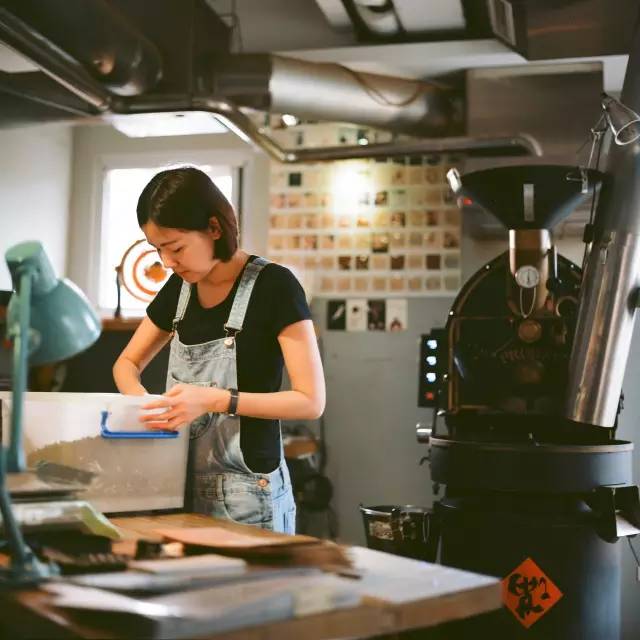
Chen Yujia, a teacher from Taiwan, talked about "how well this bean should be baked."
"how should this bean be baked?" as a baker, this is a question that is often asked. We often hear the owner of a small independent self-baking shop (usually also a bean baker) point out that my coffee beans are different from the deep roasting of ordinary chain stores when they talk about their own baking ideas. However, usually this also means dislike
Encyclopedia of Coffee talking about the positive solution of instant coffee
The decline and growth of coffee around the world has also led to a multi-dimensional development of coffee, and the deepest impact is the problem of instant coffee (Instant Coffee Powder Powder). Instant coffee has the characteristics of easy to use, breaking the usual bundles of brewing coffee, and quickly integrated into the food industry. The use of instant coffee in China

Five steps in the coffee production process from coffee fruit to a cup of coffee
① peeling: remove the skin, pulp and silver skin of coffee fruit by drying or washing. ② fermentation: the mucus and film outside the bean are removed by fermentation. ③ roasting: coffee can be roasted to release the special aroma, divided into light roasting, medium roasting and deep roasting. ④ grinding: the grinding thickness is determined according to different varieties and cooking methods. ⑤ cooking: using different cooking methods to extract the essence of coffee.

The difference between roasting and roasting coffee beans lies in how to stir-fry coffee beans and how to roast high-quality coffee beans.
Professional coffee knowledge exchange more coffee bean information please pay attention to the Coffee Workshop (Wechat official account cafe_style) the former AQSIQ issued by the former State Administration of quality Supervision, Inspection and Quarantine "roasted Coffee production license Review rules", the implementation of food production license management of roasted coffee refers to coffee beans as raw materials, after cleaning, blending, roasting, cooling, grinding and other processes. Those who are willing to mention it.
The production of Espresso is a technical work (1)
Production of Espresso: generally speaking, large coffee beans can produce better coffee. In the case that the quality of coffee beans has been fully assured, the first technical problem to be solved is blending. Blending refers to the selection of coffee beans of different origin and quality to achieve the desired results. The matching technocrat believes that 50% of the success factors of a perfect Espresso depend on the composition of the match.

Pascucci, a century-old Italian coffee brand, is an excellent coffee bean production base.
Caffe Pascucci not only pays attention to quality in the production process, but also has patented slow roasting coffee technology in the field of coffee roasting. Operated by experienced baking technicians, roasting over medium heat for 18 to 25 minutes, concentrate on observing the color changes of coffee beans, and use computer technology to listen to and control the various stages of coffee roasting. The coffee burst sound collected and other baking parameters